How to stop your documentation from rotting: the case for auto-sync
Every team has stale docs. Every team feels guilty about it. The real fix is structural, not motivational — make the docs update themselves when the code changes.


Every engineering team has stale docs. The pattern is universal:
- A feature ships with great docs in week one.
- Three sprints later, the feature has evolved. Parameters were renamed, an endpoint was deprecated, a new field was added. The docs still describe the original version.
- Six months in, the docs are a liability. Customer support starts saying “ignore the docs, here is what actually works”.
- A year in, half the docs are wrong and the team writes “[outdated]” on the worst offenders.
Everyone agrees this is bad. Every quarter someone proposes “we should really keep the docs up to date”. The fix never sticks. Why?
The structural reason docs rot
Documentation rotting is not a discipline problem. It is a workflow problem.
The docs live in a separate system from the code. Updating them is a separate task with a separate context switch. The PR that ships the code-level change does not also ship the docs update. The Jira ticket says “ship the feature”, not “ship the feature + update the docs”.
So the docs update gets:
- Forgotten — the writer wasn’t in the PR review loop, the engineer didn’t think of it.
- Deferred — “I’ll do it after the launch”, which becomes never.
- Skipped on small changes — a renamed parameter feels too small to merit a docs update, so 50 of them accumulate.
Adding a “docs checklist” to your PR template helps for two weeks. Then everyone clicks through it.
The motivational fix does not work
Common attempts to fix docs rot through discipline:
- Docs review in PRs — engineers add it; reviewers approve without checking.
- Quarterly docs audits — somebody spends two days, finds 80 issues, fixes 20, the other 60 carry forward.
- A dedicated docs role — one person cannot reverse-engineer a 50-engineer codebase’s changes from commits.
- Wiki spring cleaning week — works for a sprint, then back to normal.
The pattern is the same in every team you ask. Discipline-based fixes do not survive the next deadline.
The structural fix: make the docs watch the code
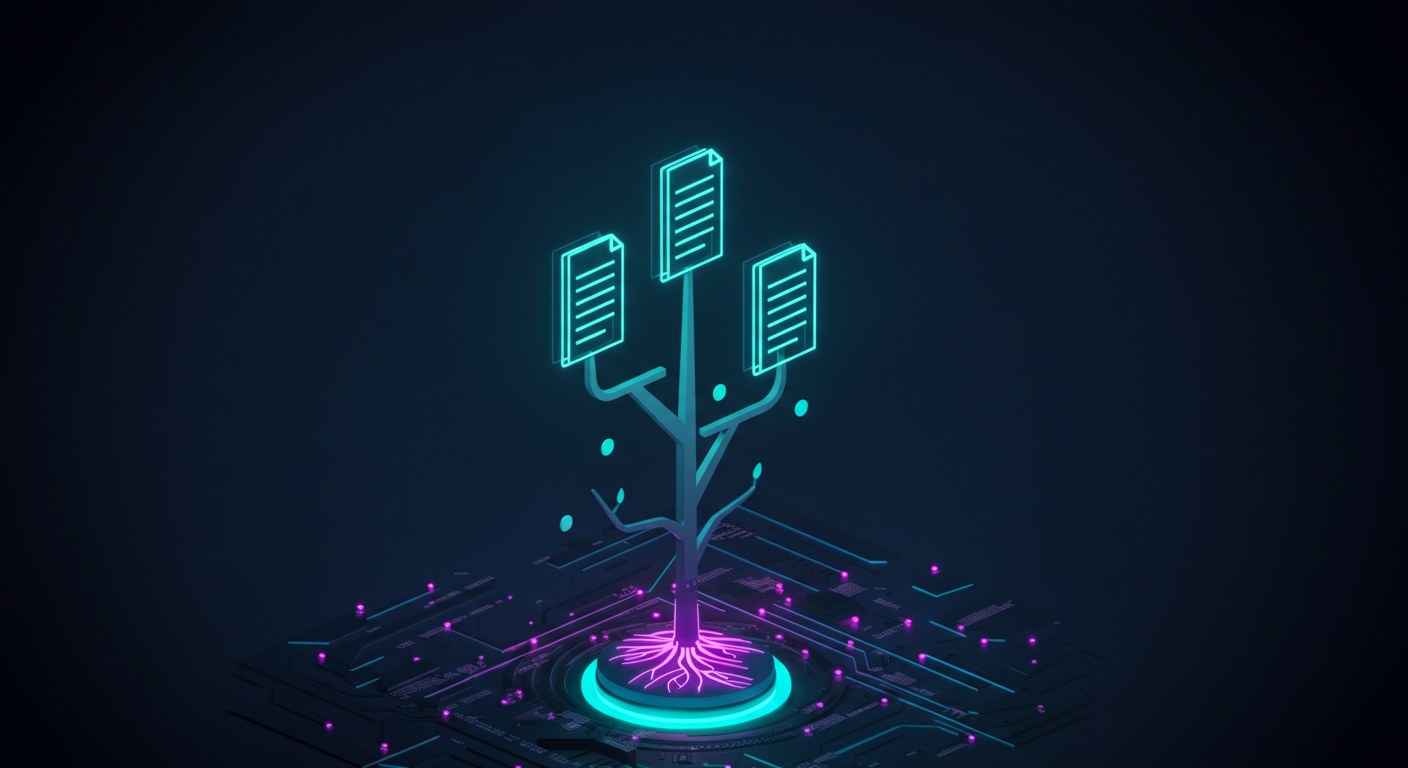
The way out is to remove the human from the “notice that something changed” step. The platform watches the repo. When something changes, the platform drafts the docs update. The human reviews and accepts, the same way they review a PR.
That is auto-sync. It works because:
- The notice step is automated. No engineer has to remember to update the docs.
- The drafting step is automated. The docs platform reads the diff and proposes the change.
- The review step is human. A pending change waits in the dashboard, like a PR.
- The merge step is one click. Accept, the docs update.
The discipline burden moves from “remember to write docs” to “review the proposed docs update”. That second one survives deadlines because it is small, routine, and shows up in your workflow.
What this looks like in practice
Concrete sequence:
- Engineer ships a new
/refundsendpoint with areasonparameter. - GitDoc’s GitHub App webhook fires on the merge.
- The platform diffs the codebase, notices the new endpoint and the new parameter.
- A pending change appears in the dashboard: “Update
/refundspage — addreasonparameter, update example”. - A team member reviews (probably 30 seconds), accepts.
- The published docs update, the next visitor sees the right info.
The engineer was never asked to write the docs. The reviewer spent 30 seconds, not 30 minutes. The docs stayed accurate.
What this doesn’t fix
Auto-sync handles:
- Code-level changes (new endpoints, renamed functions, changed signatures).
- Auto-generated reference content (API tables, schemas, parameters).
- Drift between code comments and the documented behaviour.
Auto-sync does not fix:
- Conceptual content (“why does this product exist?”, architectural overviews).
- Tutorial-style content that walks through a flow.
- Quality of writing — auto-sync drafts decent updates, but a polished tone still needs a human eye.
Those still need writers. The point of auto-sync is to take the boring, mechanical, error-prone parts off the writer’s plate so they can spend their time on the parts that actually require judgement.
The compounding effect
The savings from auto-sync are not linear; they compound. Every sprint where the docs would have drifted, they did not. Every quarter where you would have done a docs audit, you skipped it because there was nothing to clean. Every customer who would have hit stale docs got accurate ones instead.
After two quarters, the team forgets what stale docs felt like. After a year, you cannot imagine going back. That is the structural fix doing its work.
GitDoc is built around this loop end to end — GitHub App webhooks, automatic diffing, PR-style pending changes, one-click accept. The home page carousel demos the flow. Free plan is the easiest place to see it on your own repo.